 Service
 India
India UAE
UAE Store Locator



Why You’re Not Seeing Results (Even Though You’re Working Out Every Day)
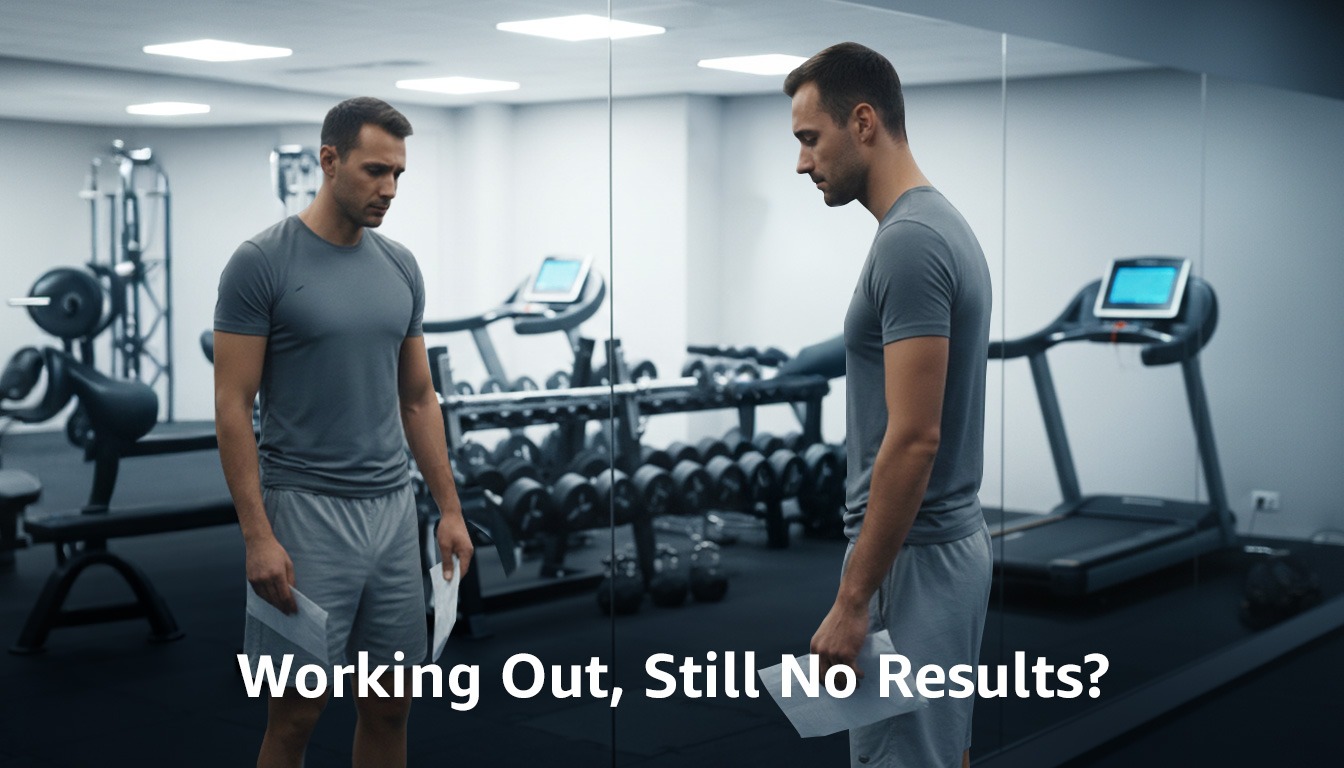
It’s one of the most frustrating feelings in the fitness world: you’re sweating daily, checking off your workout boxes, and staying disciplined, but the mirror and the scale seem to be stuck in time. You start wondering if you’re just "genetically unlucky."
The truth? Your body isn't broken, it’s actually very smart. It’s an expert at adapting to stress. When you do the same thing every day, your body learns how to do it while burning the least amount of energy possible. To get back on track, you need to stop working harder and start working smarter.
To break this, you need to "surprise" your system. Using a home treadmill with incline features or interval settings forces your body to use different muscle groups and spend more energy to keep up.
If your workout is so exhausting that you spend the rest of the day lying on the couch, you might actually be burning fewer total daily calories than someone who doesn't go to the gym but stays on their feet all day. Movement shouldn't start and end with your workout; it should be a lifestyle.
Without enough protein, your body starts breaking down your hard-earned muscle for fuel. Since muscle is what keeps your metabolism high, losing it actually makes it harder to lose fat in the long run. Focus on eating protein at every meal to protect your metabolic engine.
Strength training is the "fountain of youth" for your metabolism. By moving from bodyweight exercises to a multi-functional home gym, you can perform compound movements like lat pulldowns and chest presses. These moves burn significantly more calories than isolated exercises and keep your metabolism elevated for hours after the workout is over.
High cortisol causes your body to hold onto water and store fat around your midsection as a survival mechanism. This is "ghost weight", it’s inflammation and water retention that hides your progress. Sometimes, the best thing you can do for your fat loss is to take two days off and sleep an extra hour.
Don't let a plateau discourage you. It’s not a stop sign; it’s just a signal to shift gears and try a new approach.
The truth? Your body isn't broken, it’s actually very smart. It’s an expert at adapting to stress. When you do the same thing every day, your body learns how to do it while burning the least amount of energy possible. To get back on track, you need to stop working harder and start working smarter.
1. You’ve Hit "Metabolic Adaptation"
Think of your metabolism like a car. If you drive the exact same route at the same speed every day, you eventually learn how to save fuel. Your body does the same with exercise. If you’ve been doing the same 30-minute walk for months, your body has become so efficient that it now burns 30% fewer calories doing it than it did on day one.To break this, you need to "surprise" your system. Using a home treadmill with incline features or interval settings forces your body to use different muscle groups and spend more energy to keep up.
2. The "Sedentary Athlete" Syndrome
This is a huge hidden factor. Some people work out for one hour but then sit for the other 23 hours of the day. This can lead to something called a "low NEAT" (Non-Exercise Activity Thermogenesis).If your workout is so exhausting that you spend the rest of the day lying on the couch, you might actually be burning fewer total daily calories than someone who doesn't go to the gym but stays on their feet all day. Movement shouldn't start and end with your workout; it should be a lifestyle.
3. The Protein Gap & Muscle Loss
If you want that "toned" and firm look, you have to give your muscles the building blocks they need. Many people make the mistake of cutting calories and skipping protein in an effort to lose weight.Without enough protein, your body starts breaking down your hard-earned muscle for fuel. Since muscle is what keeps your metabolism high, losing it actually makes it harder to lose fat in the long run. Focus on eating protein at every meal to protect your metabolic engine.
4. You’re Avoiding Heavy Resistance
Many people, especially women, stick to very light weights because they fear "bulking up." But without enough resistance, your muscles have no reason to change.Strength training is the "fountain of youth" for your metabolism. By moving from bodyweight exercises to a multi-functional home gym, you can perform compound movements like lat pulldowns and chest presses. These moves burn significantly more calories than isolated exercises and keep your metabolism elevated for hours after the workout is over.
5. High Stress and "Ghost Weight"
If you are working out seven days a week, sleeping five hours a night, and rushing through a stressful job, your body is likely swimming in cortisol.High cortisol causes your body to hold onto water and store fat around your midsection as a survival mechanism. This is "ghost weight", it’s inflammation and water retention that hides your progress. Sometimes, the best thing you can do for your fat loss is to take two days off and sleep an extra hour.
Final Thought
If your results have stalled, it’s a sign that your current routine has become "easy" for your body. To see a change, you have to create a new challenge. Whether that’s increasing the incline on your treadmill, finally adding some real weight to your strength routine, or simply prioritizing your sleep, small shifts can lead to big breakthroughs.Don't let a plateau discourage you. It’s not a stop sign; it’s just a signal to shift gears and try a new approach.
-thumb.jpg)
-thumb.jpg)
-thumb.jpg)
-thumb.jpg)
-thumb.jpg)
-thumb.jpg)
-thumb.jpg)
-thumb.jpg)
-thumb.jpg)
-thumb.jpg)